
Differences in national culture, language and regulatory frameworks create a complex landscape for the leader of a multinational organisation. The challenge requires cross-cultural intelligence; that is, the ability to understand and adapt to different cultural contexts.
The authors of this IILSC Insights paper argue that to acquire cross-cultural intelligence skills require two things: international exposure and observation skills. International exposure shapes flexibility and agility. By being observant, leaders can be more emotionally intelligent in addressing cultural differences.
The focus of this paper is then on how we can bring cross-cultural intelligence to safety leadership. You will read about the various factors that shape culture, the best models for understanding cultural differences, and real-life stories of leaders in safety who have faced the challenge of protecting people from different cultural backgrounds.
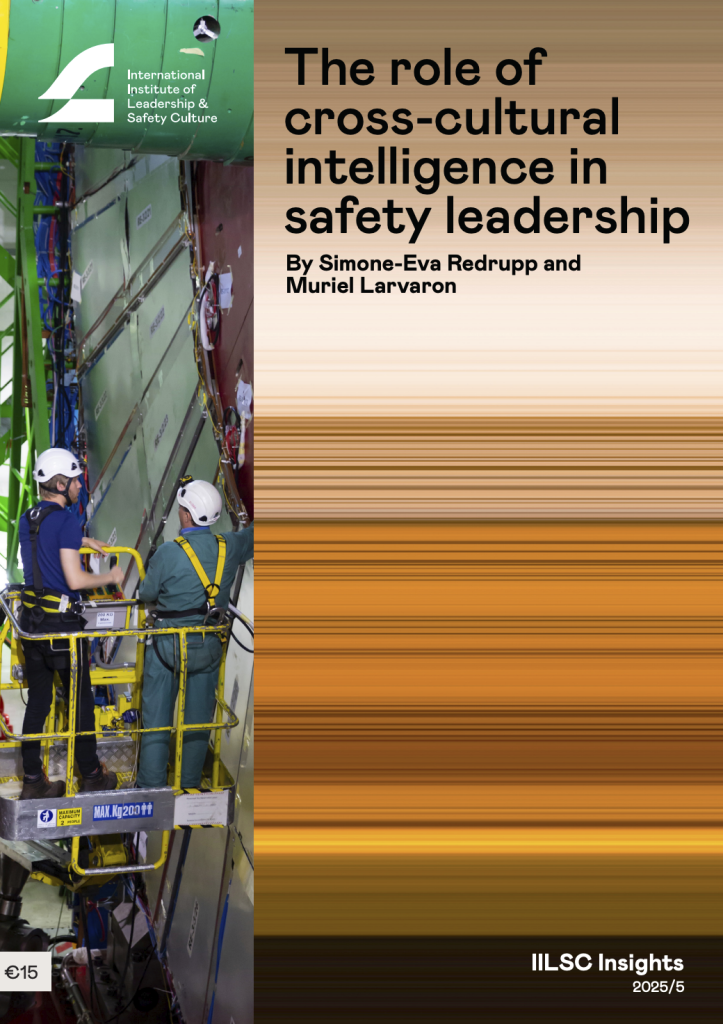
By Simone-Eva Redrupp andMuriel Larvaron
$15.00. $00.00
"*" indicates required fields